







Search Results for: three don'ts of buying
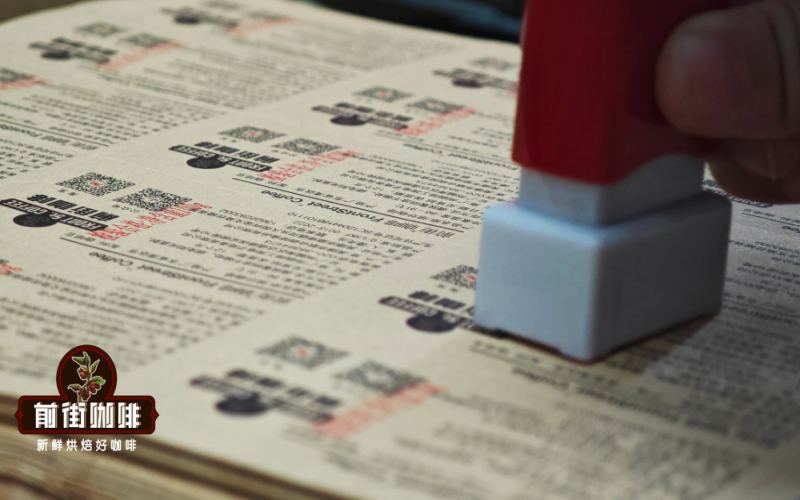
Don't Rush to Throw Away Expired Coffee Beans: Three Eco-Friendly Reuse Methods and Brewing Adjustment Tips for Stale Beans
Bought too much and can't finish it, or delayed by unexpected matters—before you know it, your coffee beans have passed their peak flavor period. When faced with stale beans, what details should you pay attention to during brewing? And if they've already passed their expiration date, how should you handle them? This article first shares grinding and blooming adjustment methods for stale coffee beans, helping you improve the output as much as possible despite flavor loss; then it organizes three practical and eco-friendly recycling approaches, including deodorizing, cleaning, and using as plant fertilizer, so that expired coffee beans can continue to provide value in daily life. The article also retains relevant suggestions and product information from the Front Street brand for coffee enthusiasts' reference. [more…]
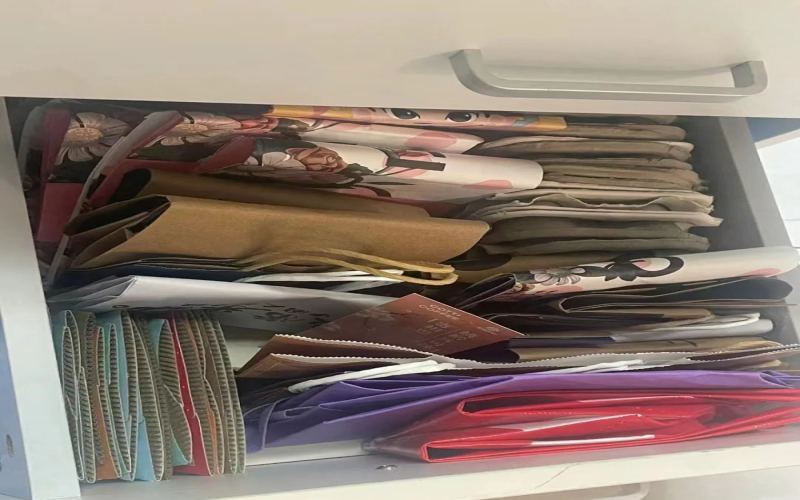
Don't Throw Away the Paper Bag! Turn Coffee Packaging into Electric Scooter Handlebar Grips and Storage Essentials
As 2023 draws to a close, it's worth looking back and counting just how many cups of coffee and milk tea you drank this year—there's a simple, blunt way to do it: see how many drink packaging bags you've stockpiled at home. Some of these bags are nicely designed, some are sturdy and durable; throwing them away feels wasteful, but keeping them takes up space, and the more they pile up, the more they become a burden. So netizens have come up with creative ideas, transforming packaging bags into storage boxes, tissue covers, commuter bags, and even journals; now that winter has arrived, they've unlocked a new skill—using coffee paper bags to make handlebar covers for electric bikes, which are windproof and save money, and can be upgraded into thermal bags for waterproof warmth. This article compiles these practical DIY ideas and includes related recommendations from Front Street Coffee to help you turn "junk" into little joys in life. [more…]

Coffee Equipment | Why don't coffee shops use moka pots to make single-origin coffee? What is the principle behind moka pot coffee extraction?
As coffee has entered people's view and gradually become a part of life, the ways of enjoying coffee are no longer limited to the joy brought by pour-over. There are many ways to make coffee; besides the simple pour-over, there are also espresso, cold brew, siphon, and other methods~ Perhaps you often [more…]
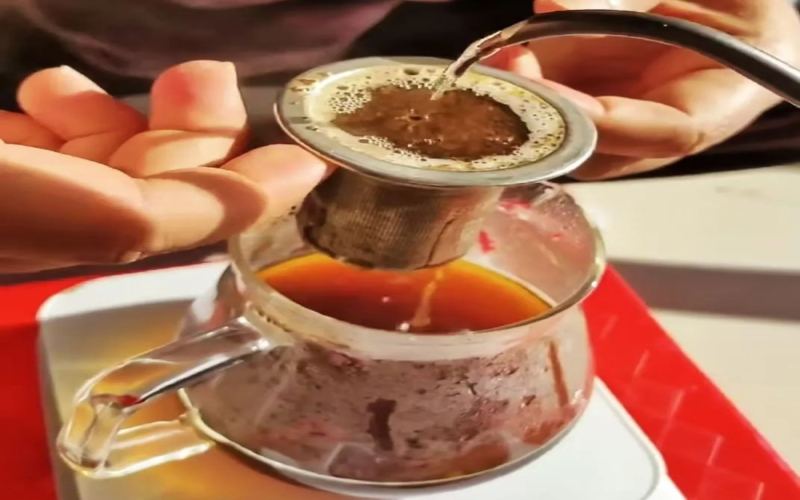
What to Do If You Don't Have a Digital Scale for Pour-Over Coffee? Visual Estimation Tips and Pulsed Pouring Plans for 15g of Grounds
The consistent output of pour-over coffee is inseparable from the precise measurement of an electronic scale, but if you run into the predicament of a broken scale, a dead battery, or simply no alternative tool to be found, does that mean you have to give up on a good cup of coffee? Starting from the two core variables of coffee dose and water volume, this article shares Front Street Coffee's hands-on experience: how to judge 15g or 20g of ground coffee by visually estimating the height of the coffee bed, how to use the dripper's markings as a reference under different roast levels, how to choose a coffee-to-water ratio between 1:14 and 1:16, and a three-stage blind brewing process that requires no scale. Even without equipment, mastering these techniques can still brew a qualified pour-over of about 210ml. [more…]

What roast level of espresso beans should you choose for making a latte? Analyzing the key reasons why homemade lattes don't taste as good as those from a coffee shop
Many people, when they first drink a latte, are drawn in by the sweet aroma woven from that layer of dense milk foam and coffee oils. Yet when making a latte at home, they often run into the awkward problem of it being too bitter, too weak, or even both bitter and weak at once. In fact, the key to a good or bad latte often lies in the roast level chosen for the espresso blend, and whether the espresso extraction parameters are stable. This article, drawing on the hands-on experience of Front Street Coffee, will break down the root causes of an imbalanced latte flavor one by one, focusing on coffee bean roast level, coffee-to-liquid ratio, milk pairing, and extraction details, to help you find an espresso recipe suited to your own taste and reliably recreate a rich, balanced latte at home. [more…]
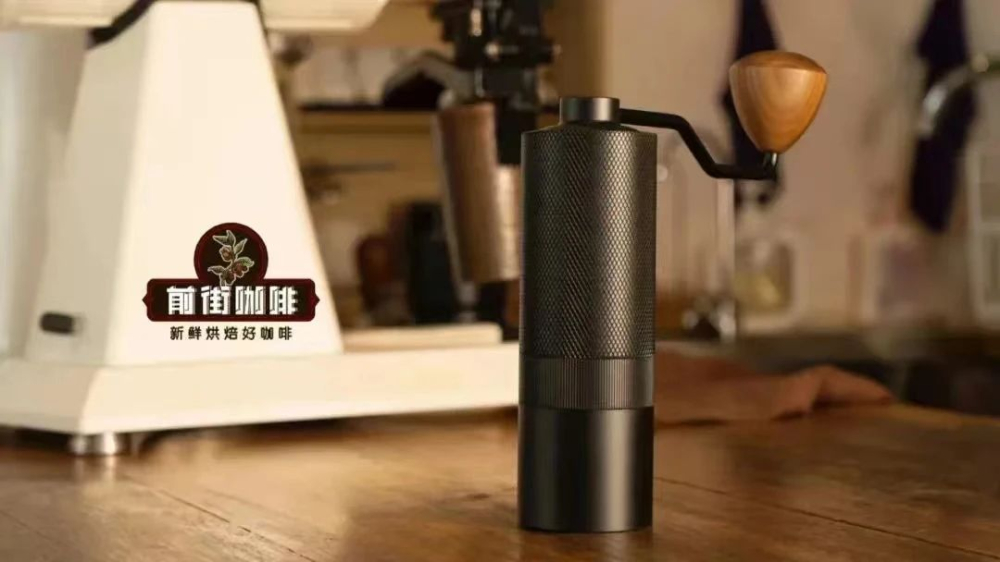
Coffee Pour-Over Equipment Buying Guide | How Can Coffee Beginners Choose Cost-Effective Pour-Over Coffee Gear? Which Is More Suitable for Coffee Beginners: an Espresso Machine or a Moka Pot?
Today's coffee equipment is dazzlingly diverse, and for coffee beginners, this is no easy matter. Looking at a pile of coffee gear wanting to buy, but neither knowing how to choose nor how to use it—this must be a feeling every coffee novice has had. In this situation, what we need to do is: "Don't pick the expensive ones, don't pick the flashy ones, only pick the practical ones." [more…]
A Guide to Buying the Six Essential Pour-Over Coffee Tools: How to Choose Brands for Grinders, Gooseneck Kettles, Drippers, and More, Plus Beginner Pitfall Advice
Just getting into pour-over coffee, many people feel overwhelmed by the bewildering array of equipment on the market and don't know where to start. This article focuses on the six essential pieces of basic gear for pour-over—the grinder, the pour-over kettle, the dripper, the filter paper, the thermometer and the digital scale—going through each one's categories, pros and cons and the people they suit, and offering specific buying guidance. From the trade-offs between hand grinders and electric grinders, to the differences between cheat kettles, gooseneck kettles and swan-neck kettles, and on to the extraction characteristics of conical, trapezoidal and wave drippers, it helps you make the right choice based on your own budget and needs, so you don't waste money. [more…]
Light Roast Pour-Over Always Pools Water? Understanding the Relationship Between Density, Expansion, and Grind — and How to Fix It
Many coffee enthusiasts encounter a tricky problem when brewing light-roasted beans: near the end of the pour, the water level drops slowly, and a layer of water sits in the dripper that just won't finish draining. If you keep waiting, you risk over-extraction and bitterness; if you don't, you worry the flavor won't be complete. What was once a relaxing pour-over suddenly becomes stressful. In fact, water stalling with light-roasted beans isn't a problem with the beans themselves—it's the combined result of density, expansion, and grind size. This article breaks down the causes of stalling from these three angles and offers three actionable solutions: simply discarding the final phase of the pour, coarsening the grind while using higher temperatures and agitation, and sifting out ultrafines for reuse. Understanding the logic behind it matters more than memorizing parameters—next time you run into stalling, you can judge from the flavor whether adjustment is needed. Front Street Coffee also often advises: taste first, then adjust—don't rush to blame the beans. [more…]
Cold Brew Bean Guide: Bean Selection Plans for Every Budget and Taste, All in One Place
Once you've decided to start making cold brew, the first question is always the same: which beans should I buy? Today, we're giving you three bean plans based on two dimensions—budget and taste—so whether you're just "casually drinking" or "seriously savoring," you can find the right match. Plan One: Beginner's tasting type (spend a little first to test the waters). If you're making cold brew for the first time, don't [more…]

Nanning tea brand mini-program's "three types of people should buy with caution" reminder sparks controversy; official apologizes and deletes post
A local tea beverage brand in Nanning, Guangxi, caused an uproar on social media due to a consumer notice in its mini-program titled "Three types of people should order with caution." The notice listed three types of people as unsuitable buyers: "those who focus on packaging and blindly follow big brands," "those who lack awareness of the prices of high-quality fruits," and "those with dull palates who think all brands are about the same." Netizens criticized the notice for its condescending tone and for setting rules for consumers. The brand subsequently issued an apology statement, claiming the copy was written by an early operations staff member who had already left, but the statement failed to quell public anger and was instead accused of "lecturing consumers." Currently, the controversial notice has been taken down, and the apology post has also been deleted. Market regulatory authorities have stepped in to investigate. Front Street Coffee continues to follow developments in the coffee and tea beverage industry. [more…]
A Guide to Recommending Delicious Espresso Beans: A Bean Selection Method for Everyday Drinkers
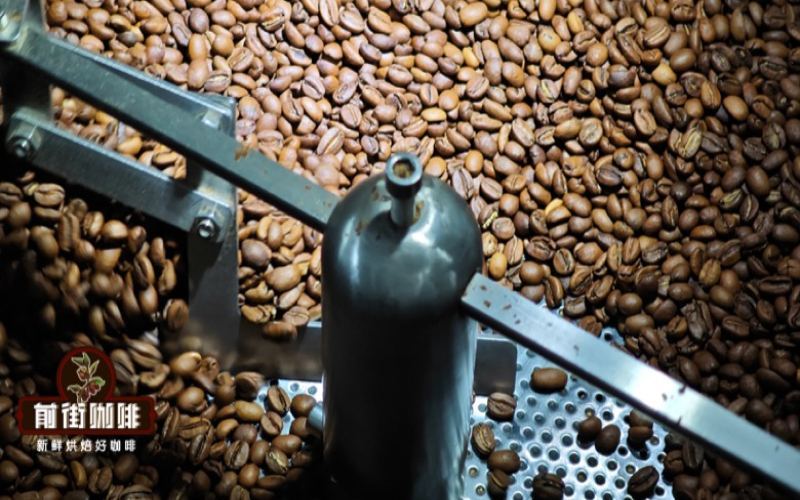
When you first start buying beans, you don't need to chase a wide range of flavors all at once. A more practical approach is to first choose a bean with a clear flavor profile and high compatibility with different brewing methods, then lock in your dose, grind, and water temperature, and observe how the entry, sweetness, and finish change. This way you can build your own taste reference. For espresso extraction, the focus is on the dose [more…]
Dark Roast Coffee Bean Recommendations: A Bean Selection Method for Everyday Drinkers
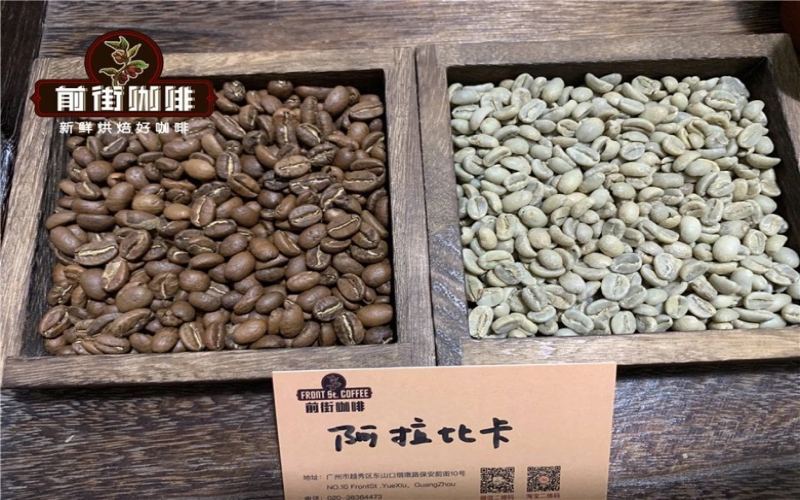
When you first start buying beans, you don't need to chase a wide range of flavors all at once. A more practical approach is to start with a bean that has a clear flavor profile and a high degree of brewing-method compatibility, then lock in your dose, grind, and water temperature, and observe how the entry, sweetness, and finish change. This way you can build your own taste reference. Dark roasting pushes the flavor toward [more…]
Delicious Americano Coffee Beans Recommendations: A Bean Selection Method for Everyday Drinkers
When you first start buying beans, you don't need to chase a wide range of flavors all at once. A more practical approach is to first choose a bean with a clear flavor profile and high compatibility with different brewing methods, then lock in your dose, grind, and water temperature, and observe how the entry, sweetness, and finish change. This way you can build your own flavor reference. Pour-over flavor is mainly determined by the origin. [more…]
Coffee Beginner's Buying Guide: Flavor Differences Across the World's Three Major Producing Regions and Front Street Coffee Bean Recommendations
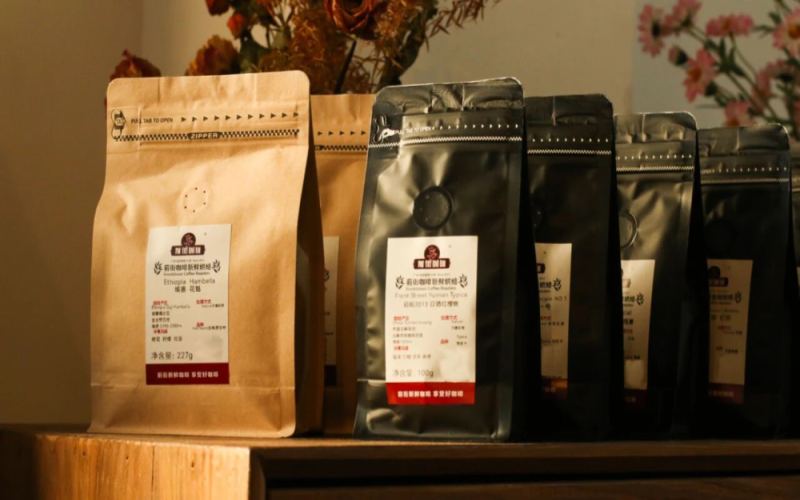
Faced with a dazzling array of coffee beans, beginners often don't know where to start. This article begins with regional flavors to help you quickly pinpoint the one that suits you. African beans are known for their bright floral and fruity acidity, Asian beans are full-bodied with low acidity and herbal spice notes, while American beans are balanced and gentle with prominent cocoa notes. The article explains the characteristics of origins such as Ethiopia, Kenya, Panama, Colombia, Costa Rica, Brazil, Honduras, Indonesia, Jamaica, Hawaii, and Papua New Guinea one by one, and includes specific bean recommendations from the Front Street brand, so that choosing coffee is no longer confusing. [more…]
Recommendations for Espresso Beans with Lots of Crema: A Bean-Selection Method for Everyday Drinkers
When you first start buying beans, you don't need to chase a wide range of flavors all at once. A more practical approach is to first choose a bean with a clear flavor profile and high compatibility with different brewing methods, then lock in your dose, grind, and water temperature, and observe how the entry, sweetness, and finish change. This way you can build your own taste reference. For espresso extraction, the focus is on the dose [more…]
Acid-sensitive coffee lovers, gather up! A few non-acidic coffee beans you can buy with your eyes closed.
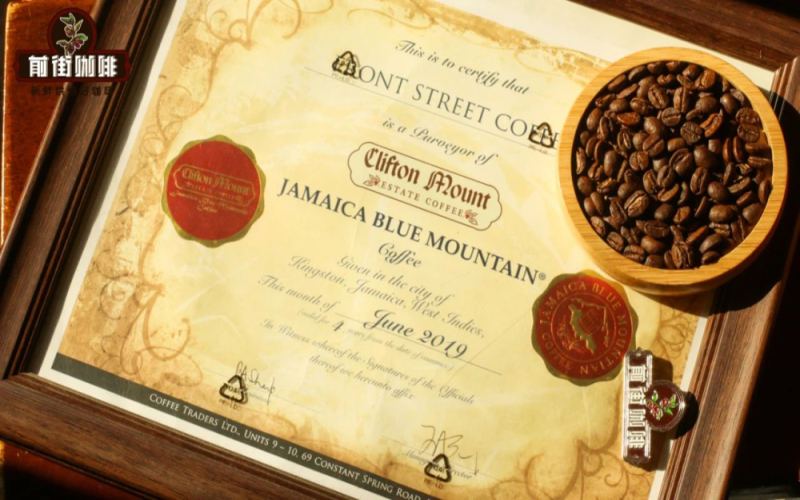
Is there anyone like me whose biggest fear when drinking coffee is "sourness"? You just want a rich, fragrant cup to perk yourself up, but one sip of that fruity acidity sends you running. Don't worry—there are actually plenty of good beans that aren't sour. As long as you pick the right direction, you can drink a mellow, smooth cup every day. To choose beans when you're afraid of sourness, just remember two key words. [more…]
How to Choose SOE Single-Origin Coffee Beans: A Bean Selection Method for Everyday Drinkers
When you first start buying beans, you don't need to chase a wide range of flavors all at once. A more practical approach is to start with a bean that has a clear flavor profile and high brewing-method compatibility, lock in your dose, grind, and water temperature, then observe how the entry, sweetness, and finish change. This way you can build your own taste reference. In espresso extraction, the focus is on dose. [more…]
How to Choose a Coffee Bean Brand That’s Tasty and Affordable? Four Budget Everyday Beans and a Buying Guide
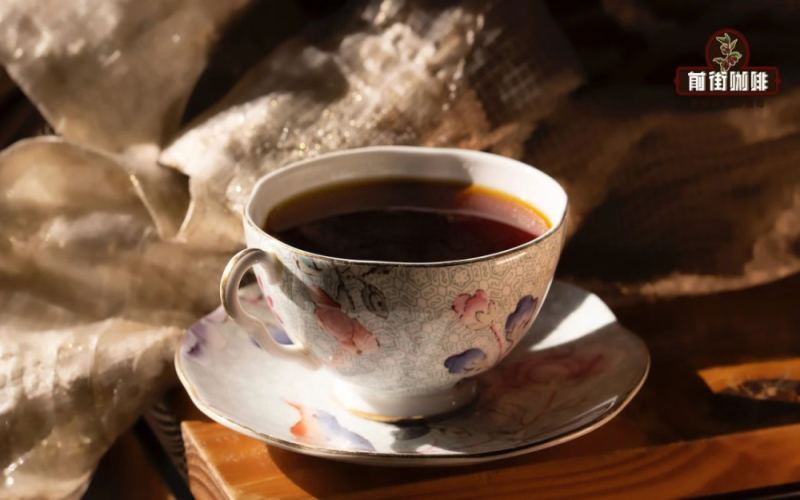
Want to drink cost-effective coffee beans but don't know which brand to start with? In fact, there are many affordable and delicious coffee brands on the market, covering espresso blends, pour-over single-origin beans, Yunnan beans, and more, fully able to meet everyday drinking needs. This article rounds up several coffee brands worth paying attention to, including Guangzhou-based Front Street Coffee, the veteran Italian brand Lavazza, Yunnan's Xinlu Coffee, and America's Peet's Coffee, introducing each one by brand background, product features, and purchasing channels, to help coffee lovers find the beans that suit them within their budget. [more…]
Recommended Coffee Beans for Moka Pot: A Bean Selection Method for Everyday Drinkers
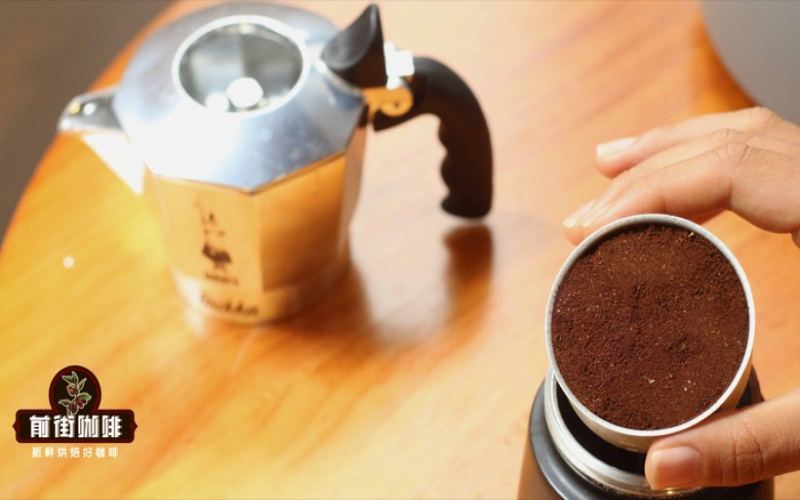
When you first start buying beans, you don't need to chase a wide range of flavors all at once. A more practical approach is to start with a bean that has a clear flavor profile and pairs well with a variety of brewing methods, then lock in your dose, grind, and water temperature and observe how the entry, sweetness, and finish change. This way you can build your own taste reference. The moka pot relies on steam pressure. [more…]
Cocoa-Flavored Moka Pot Coffee Bean Recommendations: A Bean Selection Method for Everyday Drinkers
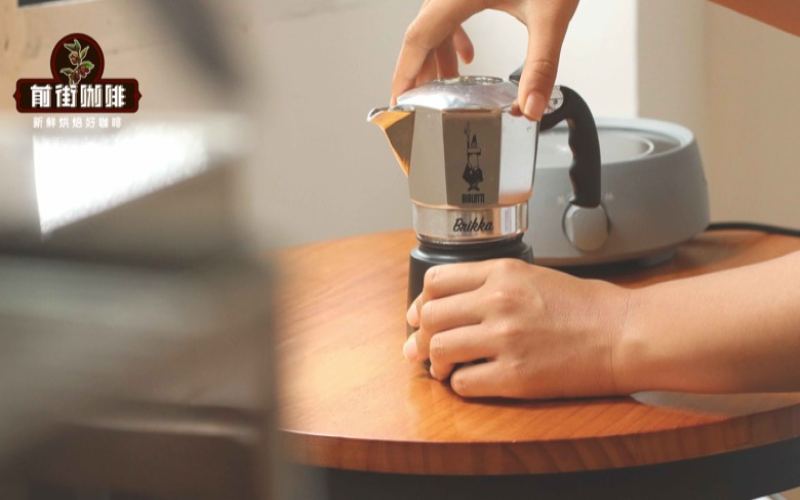
When you first start buying beans, you don't need to chase a wide range of flavors all at once. A more practical approach is to first pick a bean with a clear flavor profile and high compatibility with different brewing methods, then lock in your dose, grind, and water temperature, and observe how the entry, sweetness, and finish change. This way you can build your own taste reference. The moka pot works by steam pressure [more…]